
The World Beneath the Official Story
Wolf HallThis thread traces the novel’s layering of myth, folklore, rumor, and political history beneath official accounts of England.
increasing Bearing strength in each event
 decreasing
Bearing strength in each eventdecreasingBrutus and New Troy
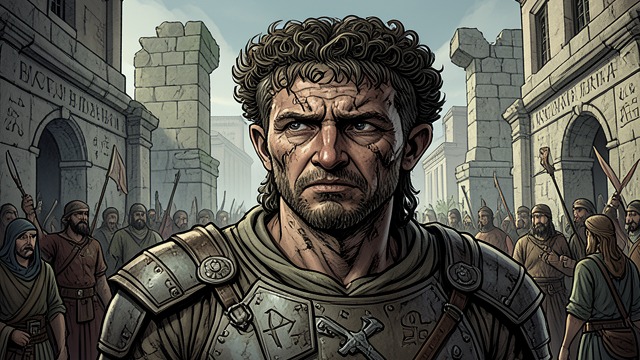
A Mythic Britain
Origin stories
The narrative begins Britain with exiled women, demons, giants, and Trojan Brutus. Tudor claims to ancient descent draw on stories that mix dynastic legitimacy with supernatural history.
History beneath history
Wolsey uses these legends to interpret royal marriage and succession. Cromwell listens with skepticism, recognizing that myths can shape political expectation even when their facts cannot be verified.
Signs and Royal Descent
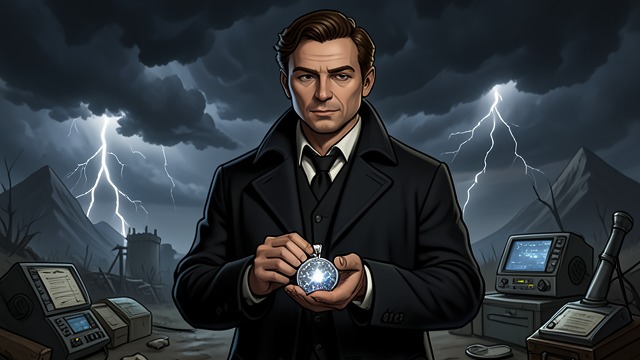
The Past as Argument
Prophecy and lineage
Wolsey links the Tudors to Plantagenet blood, serpent ancestors, and signs in the sky. The stories give meaning to royal identity while exposing the uncertainty beneath it.
Cromwell’s counterweight
Cromwell thinks of banking, marriage, and political choice alongside omens. He understands that material power may matter more than a sign, even when people need stories to explain the past.
The Living Use of Folklore
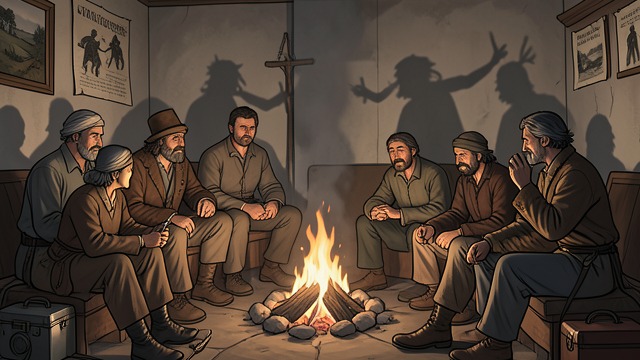
Old Stories in New Politics
Popular belief persists
Ghosts, hobs, saints, and prophecies remain part of ordinary life even as royal law changes. The state cannot simply legislate away the imaginative world of villages and cities.
An unfinished history
Cromwell sees that official histories can be revised, but not wholly controlled. The buried stories of the people survive beneath the records of kings and ministers.
The legendary past
1527–1530
1533–1535
